Prêt à faire découvrir les aliments solides à votre bébé ? Vous devrez d'abord apprendre à préparer des petits pots maison. La plupart des aliments que consomment les adultes ne sont pas sans danger pour eux. Ils risquent de s'étouffer, ou ces aliments peuvent être trop durs pour eux. C'est pourquoi ils doivent commencer par des aliments pour bébés, c'est-à-dire des aliments solides préparés de manière à ce qu'ils puissent être consommés en toute sécurité par un bébé. Dans cette étape de diversification alimentaire bébé 6 mois, la préparation de petits pots maison bébé joue un rôle essentiel. Poursuivez votre lecture pour découvrir des conseils de préparation et de conservation, ainsi que des recettes adaptées à chaque âge.
Points clés à retenir
-
• Votre bébé sera prêt à manger des aliments solides à l'âge de 6 mois.
-
• Pour les tout-petits, il vaut mieux s'en tenir aux purées, puis passer aux aliments à manger avec les doigts à mesure qu'ils grandissent.
-
• Choisissez soigneusement vos ingrédients. Introduisez progressivement les aliments allergènes et évitez le miel ainsi que les aliments contenant du sucre ou du sel ajoutés.
-
• Une chaise haute est nécessaire pour donner des aliments solides à un bébé.
-
• L'alimentation bébé fait maison est à privilégier pour mieux contrôler la qualité des ingrédients.
-
• Les aliments pour bébés doivent être adaptés à leur âge et à leur sécurité.
Votre bébé est-il prêt à manger des aliments solides ?
La plupart des bébés sont prêts à manger des aliments solides dès l'âge de 6 mois. À cet âge, ils sont capables de s'asseoir avec un soutien et maîtrisent bien leur cou et leur tête. Vous remarquerez peut-être aussi qu'ils s'intéressent à d'autres aliments que le lait maternel. Vous les verrez peut-être se pencher vers vous ou ouvrir la bouche lorsque vous prenez une bouchée de quelque chose. Ils pourraient même essayer d'attraper votre nourriture. Dans cette phase de diversification alimentaire bébé 6 mois, les aliments pour bébés restent indispensables pour garantir leur sécurité et leur adaptation.
Quelques points à garder à l'esprit
Voici quelques points à garder à l'esprit avant de commencer à diversifier l'alimentation de votre bébé et à lui préparer des repas maison :
-
Consultez votre pédiatre - Le mieux est de consulter votre pédiatre avant de modifier l'alimentation de votre bébé.
-
Continuez à inclure le lait maternel dans son alimentation - Continuez à nourrir votre bébé au lait maternel jusqu'à ce qu'il ait au moins un an. Vous pouvez poursuivre l'allaitement plus longtemps si votre bébé en manifeste encore le désir. Certaines mères qui allaitent s'inquiètent de leur alimentation ; par exemple, vous vous demandez peut-être si les plats épicés peuvent avoir une incidence sur le lait maternel pendant cette période de transition.
-
Évitez les risques d'étouffement - Certains aliments ne conviennent pas aux bébés. Parmi ceux-ci, on trouve les raisins, les noix entières, le pop-corn, les graines et les légumes crus durs.
-
Introduire les allergènes - Vous pouvez contribuer à prévenir les allergies en introduisant tôt les allergènes courants. Dès que possible, ajoutez des œufs, des produits laitiers, du soja et des produits à base d'arachides à vos recettes.
-
Évitez le miel - Donner du miel à votre bébé avant l'âge d'un an augmente les risques de botulisme. Par ailleurs, vous devriez également éviter les aliments contenant du sucre ajouté et riches en sodium.
De quoi avez-vous besoin pour préparer des petits pots pour bébé ?
Vous aurez besoin de certains ustensiles pour faciliter l'introduction des aliments solides dans l'alimentation de votre bébé. Pour faire petit pot maison, les mixeurs, les robots ménagers, les presse-purée et les ustensiles pour réduire en purée sont indispensables. Ils vous permettront de préparer des purées au début, puis des aliments en purée ou plus consistants par la suite, afin de réaliser facilement des petits pots maison bébé.
Bien sûr, vous aurez également besoin des ustensiles de cuisine habituels, comme des couteaux, des planches à découper, des éplucheurs, des casseroles, des cuiseurs vapeur, etc. Une passoire ou un tamis vous permettra également d'éliminer les morceaux trop gros pour votre bébé. Pour bien se préparer à cette étape, il faut souvent commencer par faire les bons achats. Vous trouverez des conseils utiles sur les courses alimentaires avec un nouveau-né pour prendre de l'avance.
Vous devriez également réfléchir à la manière de conserver les petits pots que vous avez préparés. Cela dit, vous aurez également besoin de petits bocaux en verre et de bacs à glaçons en silicone.
Comment choisir les ingrédients pour les aliments pour bébés ?
Pour préparer des petits pots maison, il est conseillé de choisir des ingrédients sains pour les aliments pour bébés. Optez donc de préférence pour des fruits et des légumes tels que l'avocat, la banane, les lentilles et les épinards. Vous pouvez également utiliser des purées de viande, notamment pour une purée bébé maison adaptée aux premiers repas.
Les aliments bio, bien que plus chers, constituent également le meilleur choix. Peu importe qu'ils soient frais ou surgelés. Tant qu'ils ne sont ni sucrés ni salés, ils conviennent parfaitement. Il est important de savoir comment les différents ingrédients influent sur la digestion, par exemple en identifiant les aliments qui provoquent la constipation chez les bébés, afin de pouvoir équilibrer efficacement leurs repas.
Comme indiqué plus haut, il faut éviter le miel et les aliments susceptibles de provoquer un étouffement, comme les raisins et les haricots.
Aliments pour bébés faits maison, par tranche d'âge
Voici quelques recettes maison adaptées à différents âges. Dans une logique d’alimentation bébé fait maison, ces préparations permettent d’accompagner progressivement la croissance et les besoins nutritionnels de votre enfant avec une recette bébé maison simple et adaptée.
a. De 4 à 6 mois
Pour les bébés âgés de 4 à 6 mois, il est préférable que les aliments soient aussi mous que possible. C'est pourquoi les purées constituent le meilleur choix. Dans cette phase de diversification alimentaire bébé 6 mois, la purée bébé maison est idéale pour introduire progressivement de nouvelles saveurs. Vous allez découvrir ici comment préparer des purées de pêche et de banane.
Ingrédients :
- 1/2 banane très mûre
- 1 petite pêche mûre
- 1 cuillère à café d'eau minérale ou d'eau de cuisine
Préparation :
- Lavez la pêche et épluchez-la. Ensuite, coupez-la en petits morceaux. Veillez à retirer le noyau.
- Faites cuire la pêche à la vapeur pour la ramollir. Comptez environ 3 à 5 minutes, mais vérifiez qu'elle est bien tendre. Sinon, prolongez légèrement la cuisson.
- Coupez la banane en rondelles et mettez-la dans le mixeur avec la pêche cuite à la vapeur.
- Mixez jusqu'à obtenir une texture crémeuse et onctueuse.
- Laissez reposer un moment avant de donner à manger à votre bébé.
b. De 7 à 9 mois
Si votre bébé a entre 7 et 9 mois, vous pouvez essayer une purée de légumes et de viande. Voici une recette bébé maison facile pour préparer de bons petits pots maison bébé :
Ingrédients :
- 1/4 de tasse de bœuf
- 1 tasse de patates douces coupées en morceaux et lavées
- 120 ml de bouillon d'os
Préparation
- Faites cuire votre bœuf dans une poêle avec une cuillère à soupe d'huile. Faites-le cuire jusqu'à ce qu'il ne soit plus rose.
- Faites cuire votre patate douce à la vapeur jusqu'à ce que vous puissiez facilement la transpercer avec une fourchette.
- Laissez-les refroidir un peu. Ensuite, mettez-les dans un mixeur. Ajoutez votre bouillon d'os.
- Mixez jusqu'à obtenir une consistance lisse.
- Laissez refroidir avant de donner à manger à votre bébé.
c. De 10 à 12 mois
C'est le moment idéal pour apprendre à votre bébé à manger tout seul, lorsqu'il a entre 10 et 12 mois. Dans une logique d’alimentation bébé fait maison, cette étape marque une évolution importante vers plus d’autonomie et des aliments pour bébés adaptés à sa motricité. Le poulet effiloché est un choix parfait pour cela. Votre bébé pourra facilement le prendre dans ses mains, car les morceaux sont de la taille d'une bouchée.
Ingrédients :
- Bouillon de poulet sans sel ou à teneur réduite en sodium
- Blancs ou cuisses de poulet
- Ail
- Citron
Préparation :
- Mélangez le bouillon et les gousses d'ail dans une casserole ou une poêle. Portez le tout à ébullition avant d'ajouter le poulet.
- Laissez mijoter doucement.
- Retournez le poulet. Laissez cuire jusqu'à ce que le centre du poulet soit bien cuit.
- Retirez le poulet de la casserole et laissez-le refroidir un peu.
- Coupez le poulet en morceaux de la taille d'un doigt ou effilochez-le en très petits morceaux.
Consignes de préparation & de sécurité
Voici quelques conseils de préparation et de sécurité à respecter lorsque vous préparez des petits-plats maison pour bébé afin de bien faire petit pot maison dans une démarche d’alimentation bébé fait maison :
Une bonne hygiène
Tout doit être propre avant de préparer les petits-plats maison de votre bébé. Lavez-vous soigneusement les mains et nettoyez le mixeur, les cuillères que vous allez utiliser ainsi que le reste du matériel à l'eau chaude savonneuse. Nettoyez également votre plan de travail, indispensable pour bien faire petit pot maison.
Lavez vos ingrédients
Lavez vos fruits et légumes avant de les cuisiner. S'ils poussent près du sol, veillez à les laver soigneusement. Ils peuvent contenir des spores de Clostridium botulinum ou d'autres bactéries nocives susceptibles de provoquer une intoxication alimentaire, ce qui est particulièrement important lorsqu’on prépare des aliments pour bébés.
En revanche, il ne faut pas laver la viande ni la volaille. Cela n'élimine pas les bactéries de manière fiable. De plus, cela augmente les risques de contamination croisée.
Surveillez votre bébé
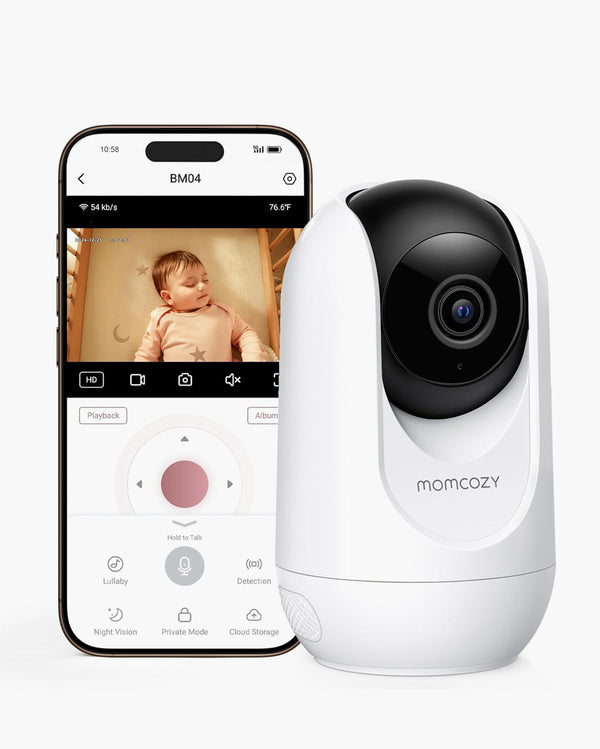
Surveillez votre bébé pendant que vous lui préparez son repas afin de vous assurer qu'il ne court aucun danger, notamment lors de la phase de diversification alimentaire bébé 6 mois. Vous pouvez utiliser un babyphone pour pouvoir les surveiller même s'ils sont dans leur chambre et que vous êtes dans la cuisine. Le babyphone intelligent Momcozy 5 pouces à double mode (BM04) propose deux modes de surveillance. Vous pouvez utiliser l'unité parents pour surveiller votre bébé sans vous connecter au Wi-Fi. Vous pouvez également surveiller votre bébé depuis votre téléphone via une connexion Wi-Fi. Le babyphone vous alertera si quelque chose nécessite votre attention. En attendant, vous pouvez vous concentrer sur la préparation du repas de votre bébé.
Utilisez une chaise haute
Les bébés ne doivent pas s'asseoir sur des chaises pour adultes lorsqu'ils mangent. Ils devraient plutôt être installés en toute sécurité dans une chaise haute. Vous devez respecter la règle des 90/90/90. Cela signifie que les hanches, les genoux et les chevilles doivent former un angle de 90 degrés. Cela permet de garantir sécurité et confort, notamment lors du repas avec des aliments pour bébés.
Si vous en cherchez un, le Momcozy DinerPal est l'un des meilleurs choix. Cette chaise haute présente un design ergonomique conforme à la règle des 90/90/90. Elle peut supporter jusqu'à 140 kg et offre 5 positions. Vous pouvez ainsi l'utiliser jusqu'à ce que votre bébé atteigne l'âge de 3 ans.
De plus, le DinerPal est facile à nettoyer, ce qui permet d'éviter les salissures.
Comment congeler & conserver pour plus de commodité
Pour congeler purée bébé et conserver des petits-pots maison, laissez la purée refroidir complètement avant de la mettre au congélateur. Cela permet de préserver sa texture et d'éviter que l'excès d'humidité ne forme des cristaux de glace.
Répartissez les aliments en petites portions individuelles pour une meilleure conservation petit pot maison. Les bacs à glaçons ou les moules en silicone sont parfaits, car ils permettent de congeler des portions de taille uniforme. Couvrez le bac ou placez-le dans un sac adapté à la congélation pour protéger les aliments des odeurs du congélateur.
Une fois les portions complètement congelées, transférez-les dans des sachets ou des récipients hermétiques adaptés à la congélation. Indiquez sur chaque sachet le type d'aliment et la date afin de pouvoir suivre leur fraîcheur et d'utiliser les portions les plus anciennes en premier.
Conservez les petits pots pour bébé au fond du congélateur, là où la température reste la plus stable. Pour une qualité optimale, consommez les petits pots maison congelés dans les trois mois.
Au moment de l'utiliser, décongelez uniquement la quantité dont vous avez besoin au réfrigérateur ou en plaçant le récipient dans de l'eau tiède. Mélangez bien et vérifiez la température avant de servir. Ne recongelez pas les aliments pour bébé une fois décongelés.